
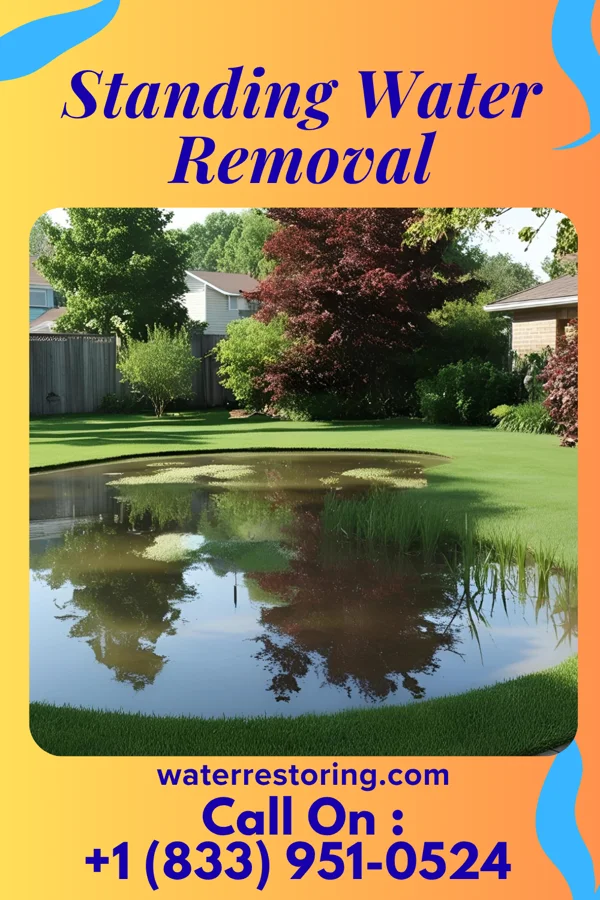
Blue River Standing Water: What Owners Should Know
Residential or commercial, water damage emergencies in Blue River keep coming back to the same drivers. In Blue River, Colorado, the primary water damage cause is often due to spring runoff and heavy rainfall, which can overwhelm local drainage systems and lead to basement flooding. Additionally, snowmelt from the surrounding mountains can cause sudden water accumulation in low-lying areas, especially during late spring and early summer. sits at the top of the list. A close second is Secondary causes include leaking plumbing in older homes, burst pipes during freezing temperatures, and improper gutter maintenance leading to water infiltration. These issues are common in the rural and mountainous terrain of Summit County..
Blue River experiences a high risk of flash flooding due to its location near the Rocky Mountains and proximity to rivers. The area is also prone to sudden temperature changes, which can lead to pipe bursts and indoor water damage.
Water damage in Blue River follows a few local patterns. In Blue River, Colorado, the primary water damage cause is often due to spring runoff and heavy rainfall, which can overwhelm local drainage systems and lead to basement flooding. Additionally, snowmelt from the surrounding mountains can cause sudden water accumulation in low-lying areas, especially during late spring and early summer. accounts for the bulk of our calls. Blue River experiences a high risk of flash flooding due to its location near the Rocky Mountains and proximity to rivers. The area is also prone to sudden temperature changes, which can lead to pipe bursts and indoor water damage. Mold growth can develop quickly in Blue River due to the high humidity and frequent rainfall, making prompt water damage restoration critical to prevent long-term health and structural issues.